
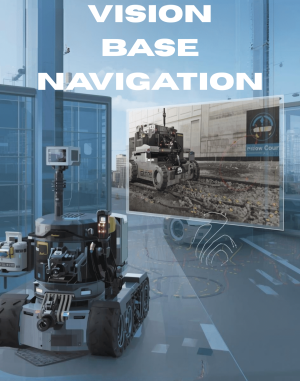
Vision based navigation is changing the way machines work, explore, and interact with the world. Different systems that rely solely on GPS or expensive sensors, vision based navigation uses cameras to capture visual data and guide movement just like giving machines eyes. This technology is not only revolutionizing autonomous vehicles but is also making a huge change in mountains, search and rescue, agriculture, warehouses, construction, and other real world situations where traditional navigation fails.
What Is Vision Based Navigation?
Vision based navigation is a system where machines operate cameras and computer vision algorithms to understand their surroundings and decide how to move. By analyzing images in real time, the system can detect objects, obstacles, terrain, and pathways.
In simple words, it allows robots, drones, and other machines to see their environment and respond intelligently, rather than relying solely on pre mapped data or satellite signals.
Importance of Vision Based Navigation
Works in GPS Denied Areas
GPS signals are sometimes not available in some areas like forests, mountains, caves, or few indoor spaces. Vision based navigation provides accurate and precise movement in these challenging areas, making it possible for search and rescue missions and industrial operations.
Cost Effective and Measurable
Cameras are far more cheaper than advanced radar systems, allowing even small businesses, startups, or research projects to use vision based navigation without breaking the budget.
Human Like Perception
Vision systems can capture depth, shape, color, texture, and motion, allowing machines to adapt to the world more naturally, the same just like humans perceive their surroundings.
Obstacle Avoidance
Machines can immediately detect and avoid obstacles like rocks and trees in mountains to pallets and people in warehouses enhancing safety and efficiency.
Working of Vision Based Navigation
Vision based navigation combines multiple technologies to enable smooth and accurate movement:
Visual Data Capture
High quality cameras continuously capture the environment, providing raw visual information.
Extraction
The system identifies edges, corners, surfaces, objects, terrain shapes, and potential hazards in each frame.
Simultaneous Localization and Mapping
SLAM known as Simultaneous Localization and Mapping allows the machine to build a map of the environment while tracking its own position simultaneously.
Object Detection and Scene Understanding
By using AI algorithms it recognizes objects, landmarks, terrain features, and human presence, enabling informed navigation decisions.
Planning Path
Based on real time visuals, the system calculates the safest and most efficient route to reach its destination.
Applications of Vision Based Navigation
Vision based navigation is no longer limited to only autonomous cars. Its real world uses are many, some of them are
Search & Rescue in Mountains and Remote Areas
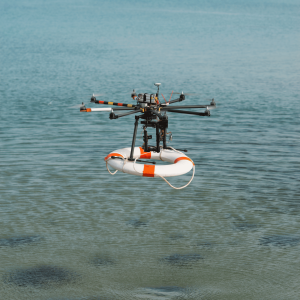
Drones and ground robots equipped with vision based navigation can find survivors in disaster zones, navigate through narrow, steep, or rugged terrain and operate where GPS signals fail to respond. This speeds up rescue operations and reduces risks for human loss.
Agriculture
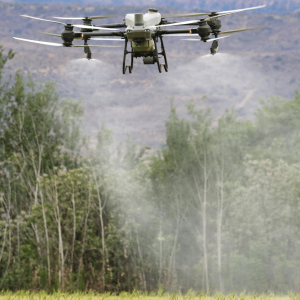
Agricultural robots and drones are using cameras to identify crops and weeds, navigate between rows of plants, monitor plant health and spray on plants with accuracy. Vision based navigation helps increase productivity and reduces the need for manual labor and reduces wastage of time.
Warehouses and Logistics
Robots can move goods skillfully without pre installed tracks, using cameras to detect shelves and packages, avoid collisions with other people or equipment and navigate changing layouts actively.
Mining and Construction
Machines in construction sites and mines benefit from vision based navigation to detect uneven or hazardous terrain, move safely around heavy equipment, map tunnels or confined areas and operate in dusty or low light environments.
Indoor Drones and Service Robots
Vision based drones can perform inspections, monitoring, and maintenance indoors without GPS. Likewise, service robots navigate offices, hospitals, and homes safely around people and obstacles.
Consumer Robotics
From vacuum cleaners to lawn mowing robots, vision based navigation allows home devices to navigate intelligently and efficiently, avoiding furniture, pets, and other obstacles.
Vision Based Navigation Advantages
It works without GPS in remote or indoor areas, has affordable hardware compared to LiDAR, provides detailed environmental understanding, enables real time obstacle avoidance, adapts to complex terrain and is scalable across multiple industries.
Challenges
Even with its benefits, vision based navigation has some limitations like Performance can drop in low light or bad weather, motion blur affects high speed movement, processing visual data needs strong computing power, ongoing improvements in Ai, camera technology, and sensor fusion are continuously addressing these challenges.
Vision Based Navigation Future
The next upcoming generation of vision based navigation systems will include more enhanced low light capabilities, faster edge ai chips for real time processing, hybrid solutions combining cameras with thermal and depth sensors, more accurate navigation in crowded or dynamic environments. Fully autonomous systems for rescue, agriculture, logistics, and industrial operations. Vision based navigation is the way for smarter, safer, and more efficient movement in nearly every sector.
contact us today for further details.