
Drones are no longer just recreational devices. They are now widely used across industries such as agriculture, infrastructure inspection, emergency response, and logistics. As their role continues to expand, the need for structured and efficient training has become increasingly important.
A modern UAV training platform is designed to go beyond simple practice. It provides a controlled, measurable environment where pilots can build real skills over time. Unlike a basic drone pilot training simulator, which focuses only on flight, a full platform focuses on learning, evaluation, and improvement.
Research supports this approach. Pilots trained through structured simulation systems demonstrate significantly better real-world flight precision. In fast-growing UAV markets like Pakistan, relying only on live training is no longer practical. It cannot scale efficiently and introduces unnecessary risk.
This article explains how a UAV training platform works, its core components, how it evaluates pilot performance, and where it is used in real-world applications.
Core Components of a UAV Training Platform
In order to have a proper idea about the functionality of a UAV training platform, one needs to consider how the essential elements of this platform are organized and interrelated.
One of the most important distinctions that can be made between a simulator and a UAV training platform is the way training is organized and managed. The platform links teachers, learners, and technology in one training cycle as opposed to separate training sessions. The platform consists of several key components that work together during training.
Instructor Operator Station (IOS)
The Instructor Operator Station is where training is designed and supervised. The instructors set up mission parameters prior to the session and track the performance in real time. They may also add managed failures like GPS loss, IMU failures, or communication failures to model the real-world problems.
Student Ground Control Station (GCS)
The Student Ground Control Station mirrors real operational tools. Trainees plan missions, upload waypoints, monitor telemetry, and execute flights just as they would in the field.This ensures that students train on real interfaces rather than simplified simulations.
Hardware-in-the-Loop (HIL) Integration
Other than the simulations that rely on the software, newer platforms also feature Hardware-in-the-Loop simulation where the real flight controllers are connected to the virtual environment. This enhances true-to-life and trains pilots to real hardware performance.
Real-Time Visualization and Flight Replay
Once the system components are in place, the next step is how the training environment is presented and experienced by the pilot.Visual realism and feedback are vital to a good drone pilot training simulator component.
High-Fidelity Terrain Rendering
Modern simulation engines are used to generate real world environments with dynamic lighting systems and detailed landscapes. Pilots are able to train on environments that are similar to those in the real world rather than in generic maps.
Live Monitoring
During the session, both instructor and student can view live UAV data, including position and sensor feedback. This ensures continuous situational awareness throughout the flight.
Debriefing and Replay of the flight post-flight
After each session, pilots can replay the entire flight with complete data tracking to review decisions, identify errors, and comprehend results using graphic evidence.
Automated Performance Assessment and Reporting
In addition to visualization, measuring performance is what turns training into real improvement.Without measurement, training becomes repetition without progress. A UAV training platform solves this by introducing objective, automated evaluation.To measure the analysis of every single session, the following measurable indicators are used:
- Accuracy of the flight path in relation to the planned route.
- Simulated failure response time.
- Mission completion rate
- Stress stability and control.
These measures are automatically obtained, and they are consistent and do not require subjective consideration.
Applications Across Civil Sectors
With structured training and performance tracking in place, these platforms can be applied across a wide range of real-world industries.UAV training platform proves its worth in various sectors, especially those where accuracy and dependability are paramount.
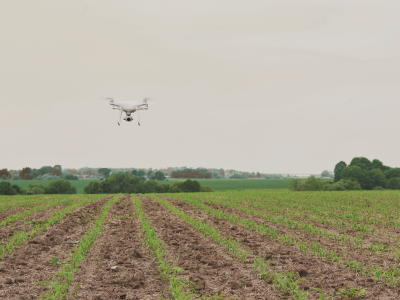
Agriculture
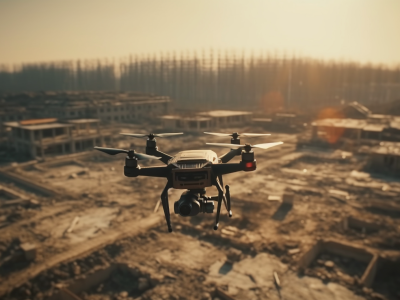
Infrastructure Inspection
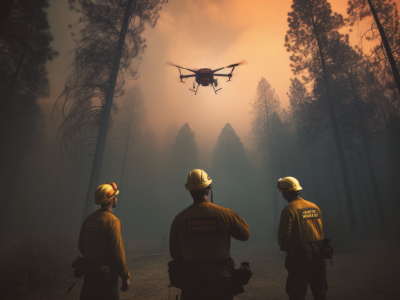
Disaster Response
Conclusion
Developing skilled UAV operators requires more than just flight time. It requires structured, data-driven training supported by the right technology.A modern UAV training platform combines simulation, real-time control, performance tracking, and feedback into a single system. As UAV adoption continues to grow, especially in emerging markets, this approach is becoming essential rather than optional.The cost of inadequate training, including failed missions and equipment damage, is far greater than the investment required to train operators properly.
For more information please feel free to contact us.