
What Is a UAV?
Autonomous Unmanned Aerial Vehicles (UAVs) are aircraft that operate without a pilot onboard. Instead of a person in the cockpit, UAVs rely on onboard computers, sensors, and intelligent software to manage flight paths and movement within the surrounding airspace. Some UAVs are remotely controlled, while others fly autonomously by following pre-planned routes and making real-time decisions during flight.
UAVs are designed to support humans by performing tasks rather than replacing them. They are especially useful for repetitive, risky, or hard-to-reach operations, such as inspecting tall structures or monitoring environmental changes.
Modern UAV platforms integrate flight controllers, navigation software, GPS, cameras, and sensor systems into a single coordinated unit. These components continuously exchange information to manage takeoff, stable flight, hovering, and landing, allowing UAVs to adapt smoothly to changing conditions.
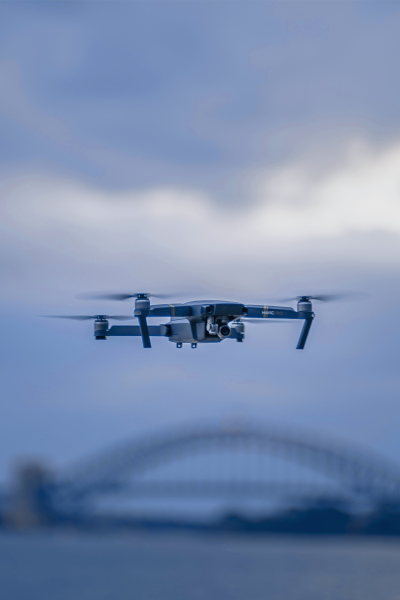
How Autonomous UAV Systems Work
Autonomous UAV systems take this capability a step further by reducing the need for continuous human control. Using technologies such as GPS, inertial sensors, vision systems and obstacle-detection tools, these aircraft can understand their surroundings and make real-time decisions during a mission. When conditions change or unexpected obstacles appear, autonomous UAVs adjust their routes efficiently, ensuring the mission continues with minimal disruption.
Because of this adaptability, UAVs are increasingly used in industries where safety, accuracy, and efficiency matter most. From agriculture and construction to environmental monitoring and infrastructure inspection, these aerial systems operate in places that may be unsafe or impractical for humans. By combining technical precision with intelligent decision-making, UAVs have become reliable tools that support modern operations and help organizations achieve better outcomes with confidence
Types of UAVs
Some drones come in different setups to suit specific jobs. Factors such as shape, power type, flight time, and payload capacity set them apart.
Fixed-Wing UAVs
Wings on fixed-wing drones stay stiff, much like those in regular planes Their primary advantage is long trips, allowing them to remain in the air for extended periods. Mapping wide spaces, checking roads or scanning land suits these machines well. Yet lifting off just anywhere isn’t possible; they need a real runway or special pad to leave the ground. Landing again demands similar setup, so open space nearby matters greatly. They are not designed for hovering.
Single-Rotor UAVs
Flying much like choppers, single-rotor drones handle bulkier loads without losing control. Due to their mechanical complexity, single-rotor UAVs typically require higher maintenance compared to other designs.
Multi-Rotor UAVs
Right now, multi-rotor drones like quadcopters, hexacopters, and octocopters dominate the scene. Because they’re simple to set up, agile in flight, and can lift off vertically, they’re often chosen. Hovering accurately and landing smoothly fits their strengths well. They are well suited for aerial photography and short-duration inspection tasks.
Hybrid UAVs
Starting from rooftops, some drones climb like helicopters yet glide hundreds of miles like planes. They can operate in tight spaces and support long-range missions, offering flexibility that other UAV types lack. This dual capability allows hybrid UAVs to operate in scenarios where other UAV types are less effective.
Key Applications of Autonomous UAVs
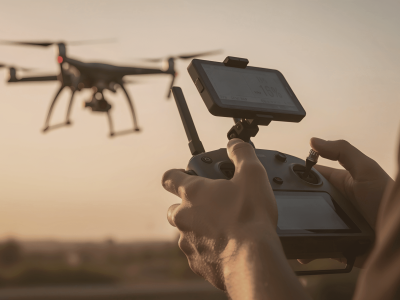
UAV Surveying and Mapping
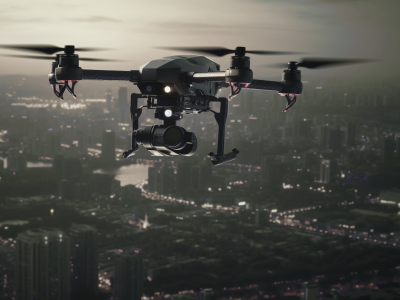
UAV Inspection and Monitoring
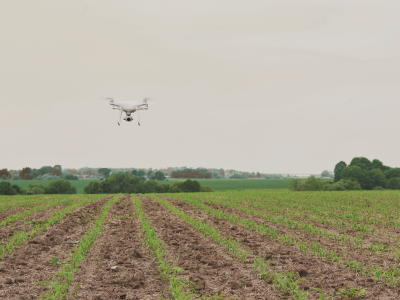
Agriculture and Environmental Monitoring
Challenges Facing Autonomous UAVs
Even with perks, autonomous drones come with hurdles to overcome.
Technical Challenges
Limited by sensor precision, computing strength on board, plus how much power batteries hold. Errors in navigation still exist alongside short flight duration and weight limits affecting what can be carried.
Safety and Security
Sometimes rules around airspaces limit how drones fly, while privacy rules add another layer of restriction. Compliance isn’t standing still it’s shifting, making things tougher over time. Needing licenses before flight has become common, especially when safety is part of the picture. Now companies must show coverage just in case something goes wrong.
Regulatory and Legal Issues
When things go wrong like motors freezing or drones crashing safety depends on built-in safeguards. Protection isn’t just about physical risks; digital attacks matter too. Encryption helps keep data locked during flights. Live oversight allows quick responses if trouble arises.
Weather and Environmental Constraints
When conditions turn rough or terrain gets tangled, sensors might stumble while drones lose their steady pace. Facing such challenges means spotting hazards better while adjusting flight paths on the fly, keeping things stable when surprises show up.
The Future of Autonomous UAVs
The future of autonomous UAVs is driven by advances in artificial intelligence, improved energy systems, and faster communication networks.
AI-Driven UAV Intelligence
With AI, drones now choose paths on their own, adjust when situations shift, and finish tasks using less power than before.
UAVs in Smart Cities
Within smart city systems, UAVs help track traffic, check public structures, respond during crises, while sharing live information for city design decisions.
Swarm and Cooperative Systems
When drones work together in groups, they can handle bigger jobs more easily. Instead of flying solo, several machines join forces – helping farms track growth, respond to crises, or watch ecosystems change over time.
Energy and Communication Innovations
Batteries, sunlight, and wireless power might stretch how long drones stay aloft. Fast data links could sharpen teamwork and trust in operations.
Conclusion
Drones that used to need remote control to work now plainly show signs of independence. These systems have progressed to a degree of autonomy that enables them to do complex tasks without continual human intervention. Drones can do things like monitor crops and inspect bridges more easily and efficiently since they can adapt to changing situations on their own. This adaptability has made a big difference in fields like farming, building cities, and keeping an eye on the environment.
There are still problems like technical limitations, rules, safety issues, and environmental factors, but ongoing developments in artificial intelligence, energy efficiency, and coordinated drone operations are progressively pushing these limits. Autonomous UAVs are projected to have a bigger impact on the future of aerial operations and current industrial practices as long as they are used responsibly and with adequate security measures in place.
For more information please feel free to contact us.