
Introduction
Drones, also known as Unmanned Aerial Vehicles (UAVs), have moved far beyond recreational use. Today, they are essential tools in agriculture, logistics, surveillance, disaster response, and emergency operations. As these missions grow more complex and autonomous, the demand for skilled and confident UAV pilots is rising rapidly.
However, most traditional training focuses on ideal flight conditions, where everything works perfectly. In reality, drones can experience sudden failures, motors may stop, batteries may drain unexpectedly, GPS signals can drop and communication links can cut out. Pilots trained only for smooth flights often struggle to respond effectively in these situations.
This is why fault injection systems are becoming vital. By introducing realistic failures in a controlled simulator environment, pilots can practice emergency responses safely without risking expensive equipment or putting lives at risk.
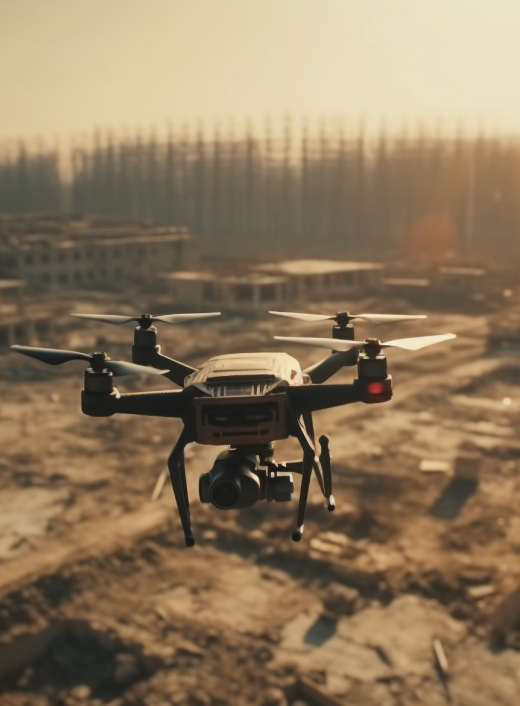
Failure Mode and Effect Analysis of UAV Systems
Fault Injection: What It is and Why It Matters
Fault injection is the intentional introduction of system failures in a UAV simulator. These failures replicate real-life problems that may occur during a flight. The purpose is simple: train pilots to recognize issues quickly and respond correctly.
Fault injecting may be applied in UAV pilot training:
- Overall safety awareness
- Emergency handling skills
- Understanding system reliability
- Pilot confidence in high-stress situations
Most Common Faults Used in Training
The simulators used in training usually have a large variety of realistic UAV faults including:
- Hardware problems: motor failure, ESC problems, battery problems.
- Software failure: crashing flight controllers, crashing firmware.
- Communication faults: signal interference, telemetry loss, link drop.
- Sensor failures: GPS error, IMU errors, barometer errors.
- Payload failures: gimbal error, camera failure, data corruption.
These types of fault are the most typical risks associated with the actual UAV missions.
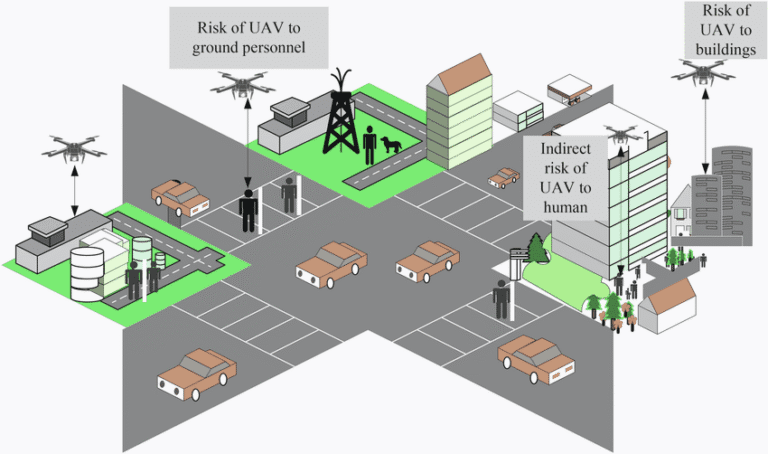
Why Fault Injection Is Important in UAV Pilot Training
Creating a Realistic Training Experience
Fault injection turns a simple simulator into a realistic training environment. Instead of practicing only smooth takeoffs and landings, pilots are suddenly faced with unexpected failures just like in real missions. This removes false confidence and prepares pilots for unpredictable conditions.
Improved Emergency Decision Making
In case of a fault during flight, a pilot has very little time to respond. The fault injection training enhances the ability of a pilot to:
- Uncover and find issues promptly.
- Be able to make smart decisions when under pressure.
- Stay calm under pressure and handle high workload smoothly.
- Execute emergency procedures correctly and confidently
Such abilities are critical to professional work with drones.
Building Confidence and Readiness
Confidence comes from experience. By repeatedly facing emergency scenarios in training, pilots learn how to stay calm and focused when things go wrong. This reduces panic, improves reaction time, and leads to safer real-world flights.
Common Fault Scenarios Used in UAV Training
Navigation and Sensor Failures
Sensor-related problems are some of the hardest to manage because they often provide incorrect data rather than shutting down completely. Common examples include:
- GPS signal loss or drift
- IMU or barometer malfunction
- Magnetometer interference
Fault injection training is a type of training where the pilots are taught to identify faulty sensor data and use other ways of navigation.
Communication Failures
Communication loss is an issue to both control and situational awareness. The common training situations are:
- Telemetry interruption
- Control signal loss
- Radio frequency interference
Pilots are taught to switch on fail-safe modes, activate the return-to-home (RTH) features, or make safe landings in case of loss-of-link
Power and Propulsion Failures
Power-related issues are time-sensitive and require immediate action. Common faults include:
- Sudden battery voltage drops
- Battery overheating
- Motor or ESC failure
Training helps pilots respond quickly to prevent crashes and carry out controlled emergency landings.
Mission System and Payload Failures
Not all the faults interfere with the flight stability but can destroy a mission. These include:
- Camera or sensor failure
- Gimbal malfunction
- Data recording errors
Pilots are taught how to determine when to go on, stop or cancel a mission to prevent wastage of time, data, and resources.
Key Benefits of Fault Injection Training
Fault injection training significantly reduces the risk of accidents by preparing pilots to respond correctly during emergency situations. Because these scenarios are practiced in a simulator, pilots can learn without causing physical damage to UAV hardware, making the training cost-effective. Over time, this type of preparation leads to higher mission success rates and ensures that pilots meet professional UAV safety and operational standards.
Challenges in Fault Injection Training
Despite its advantages, fault injection training must be carefully designed to be effective. Fault scenarios need to feel realistic rather than random, and simulators must closely replicate real UAV behavior. In addition, the difficulty level of injected faults should match the pilot’s experience. If these factors are not balanced properly, fault injection can confuse trainees instead of improving their skills.
The Future of UAV Fault Injection Systems
UAV pilot training is rapidly evolving as new technologies emerge. Future fault injection systems are expected to use AI-driven fault generation, allowing simulators to introduce dynamic and unpredictable failures. Training programs will also become more personalized, focusing on the specific weaknesses of individual pilots. Furthermore, hardware-in-the-loop (HIL) simulation will combine real UAV components with virtual environments, making training even closer to real-world flight conditions.
Conclusion
Fault injection systems have become an essential part of modern UAV pilot training. By simulating realistic emergency situations, they help pilots develop confidence, improve decision-making, and respond effectively to real-world failures.
With the current trend of UAV activities moving towards autonomous, long-range as well as safety-critical operations, the use of fault injection-based training will be critical in making sure that there are safe, reliable, and scalable drone operations around the world.
For more information please feel free to contact us.