
How AI is Revolutionizing GNSS Navigation
AI-Enhanced GNSS Navigation is transforming how satellites guide modern technology from checking our phones to navigating self-driving cars. Satellites guide almost everything we do today from everyday navigation to complex autonomous systems. But when tall buildings, thick forests, or underground spaces get in the way, those signals start fading. GPS can struggle and accuracy slips without warning.
This is where AI-Enhanced GNSS Navigation comes in. By analyzing how signals move, spotting errors before they happen, and combining data from multiple sensors, AI makes navigation steadier, sharper and more reliable. From driverless cars keeping their lane to drones finding their way indoors and cities managing traffic automatically, AI-Enhanced GNSS Navigation is quietlymaking positioning systems smarter.
Understanding GNSS and GPS
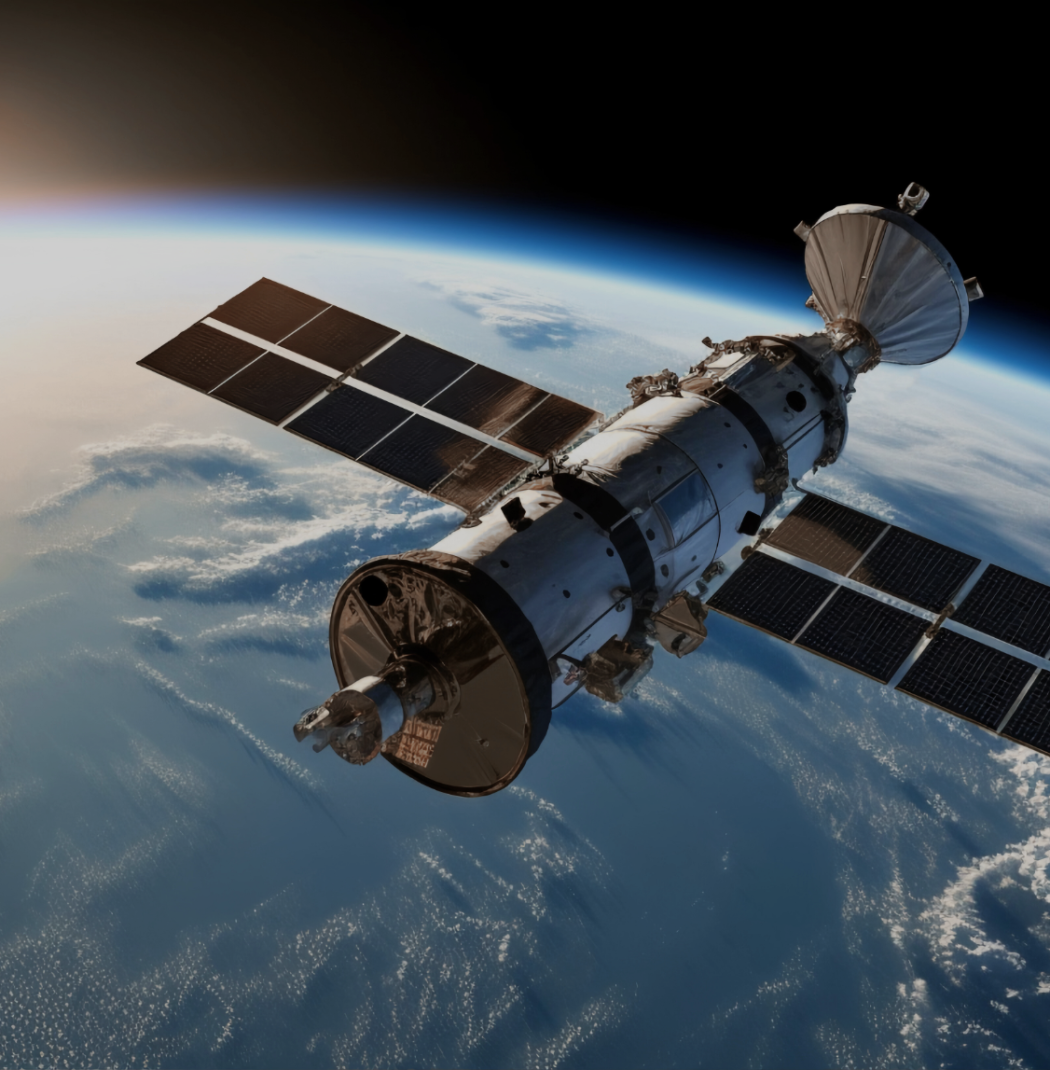
Up in the sky, networks of satellites form what we call GNSS Global Navigation Satellite Systems. Out there, each major region runs its own system America has GPS, Russia uses GLONASS, Europe built Galileo, while China developed BeiDou. Instead of relying on just one, GNSS combines inputs from several networks simultaneously, feeding gadgets a richer mix of signals. Accuracy improves because of this wider signal pool, reliability climbs too, particularly where surroundings cause issues urban canyons or narrow mountain passes, for instance.
A signal drops from a satellite, hits an antenna, moves into a receiver that figures out location. If one path gets cut, another takes its place. Navigation tools think ahead, using parts such as IMUs devices tracking motion without needing space above. Together, these pieces hold up today’s smarter guidance methods.
Problems with GPS in GPS-Denied or GPS-Contested Environments
Signals fading under thick tree cover make GPS unreliable. Should buildings rise high nearby, reception often drops too. A tunnel passage wipes out contact completely. Jamming from outside sources adds more trouble. When reflections bounce off walls, accuracy slips. Devices might guess wrong even if built well. Fewer satellites overhead means less certainty. Getting around becomes harder without clear data.
Losing track of location might lead to serious risks especially for self-driving cars, flying drones, or factory robots. Here’s how smart software steps in. Instead of failing silently, it spots odd patterns, guesses when signals could vanish, then pulls data from movement trackers and visual feeds. With those pieces woven together, guidance keeps working, steady and secure, despite shaky satellite links.
AI Improves GNSS Accuracy
Out there, machines now guide how we move. This shift reshapes directions on the fly.
- When GPS weakens, position updates continue smoothly. Blending inertial sensor inputs helps maintain reliability. A steady flow of corrections comes from pattern-learning software. Accuracy holds up through tunnels or urban gaps. Movement clues from motion trackers fill in missing pieces.
- Built into smart routing, machines guess a drone’s next turn before it happens. When traffic slows, signals skip, or something blocks the way, corrections happen on the fly. Path changes roll through instantly, shaped by what shows up ahead.
- A sudden glitch? The system notices right away. Odd patterns pop up, so it steps in without delay. Signals act strange, yet corrections happen fast. Movement continues with no pause needed. Tough areas, once too shaky for reliable navigation, now feel steady under smart control.
When satellites team up with advanced sensors, outcomes shift. Precision climbs because artificial intelligence forecasts changes ahead of time. Dependability grows stronger through layered inputs. Resilience emerges where systems adapt mid-flow.
AI-Enhanced GNSS Uses
Self-Driving Cars and Flying Robots
Tall buildings, underground passages, or thick woods sometimes cut off GPS signals. When that happens, smart upgrades to satellite navigation guess where the signal might drop, adjust direction, then guide machines through gaps. Drones carrying packages, driverless vehicles, and automated tools move more reliably.
Smart Cities and Tracking City Systems
When AI guides GPS systems, city traffic flows become clearer to follow. Public transit movements show up in real time through smart tracking tools. Bridges and roads reveal weak spots before problems grow. Emergency crews find alternate paths faster during roadblocks.
Industrial Applications
Machines move better when they know exactly where they are. Inside large buildings, regular signals often fail. AI-enhanced navigation helps robots stay on track, improving task speed, safety and precision even in obstacle-filled spaces.
Key AI Techniques in Action
Expecting spots with poor reception helps keep guidance running. Navigation stays on track by predicting where signals fade.
Camera images combine with radar data to build a clearer scene. Satellite positioning mixes with motion sensors, holding accuracy steady. When one source slips, others take over.
Signal errors caused by interference, reflection, or satellite drift get corrected automatically. AI spots unusual patterns early, stopping problems before they affect navigation.
AI and GNSS Navigation Future Directions
Navigation is getting sharper by the minute as AI and satellite systems evolve together.
RTK-enabled GNSS brings centimeter-level accuracy, keeping drones and autonomous machines precisely on path. Sensor fusion expands further as LiDAR, radar, cameras, and motion sensors back each other up.
Lightweight, on-device AI allows real-time decisions without relying on cloud servers. With upcoming 6G networks, response times shrink, making navigation faster and more adaptive in dynamic environments.
Conclusion
Navigation is no longer just about receiving satellite signals. Prediction, continuous correction, and learning from patterns now play a key role. AI-enhanced GNSS keeps positioning stable even when traditional GPS struggles, enabling smarter, safer, and more resilient navigation systems.
For more information please feel free to contact us.